Central Air Conditioner

Central Air Conditioner Parts, Accessories & Repair Help


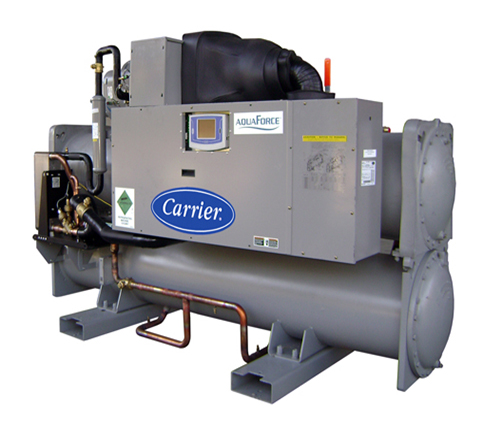
If your facility operates a chiller then you already understand the need for a qualified and reliable partner for maintenance and repairs. Obinlinks Repair have certified trained technicians that have years of experience in repairing chillers.


Parts for Central Air Conditioner Common Symptoms

Cause 1

Condenser Fan Motor
To determine if the condenser motor is working, use a multimeter to test the incoming voltage to the motor. If the condenser fan motor is receiving the correct voltage but the motor still won’t run, inspect the capacitor to ensure that it is not at fault. If the capacitor is not bulging or leaking, replace the condenser fan motor.

Cause 2

Capacitor
If the capacitor is defective, the fan motor might be noisy, overheat, or not run at all. To determine if the capacitor has failed, inspect the capacitor. If the capacitor is bulging or leaking, replace it.

Cause 3

Run Capacitor
If the run capacitor is defective, the fan motor might be noisy, overheat, or not run at all. To determine if the run capacitor has failed, inspect the capacitor. If the run capacitor is bulging or leaking, replace it.

Cause 1

Contactor
The furnace control board sends a low voltage signal to the contactor. When the contactor receives the signal from the control board, it closes the circuit, sending voltage to the condensing unit components. If the contactor is defective, it will not provide voltage to the condensing unit. In addition, the contactor will make noise when it is defective. If the condensing unit is making noise but not cooling, the contactor has probably failed. To determine if the contactor is at fault, use a multimeter to test the contactor for continuity. If the contactor does not have continuity, replace it.

Cause 2

Condenser Fan Motor
The condenser fan motor has bearings that wear out over time. When the bearings are worn out, they make loud noise. To check the bearings, try rotating the condenser fan motor by hand. If the motor does not turn smoothly, replace it.

Cause 3

Fan Blade
The fan blade on the condenser fan motor might be defective or loose. To check the fan blade, wiggle the fan motor shaft. If the motor shaft is loose, tighten or replace the set screw. If the condenser fan motor is still making noise, replace the fan blade.

Cause 1

Run Capacitor
The run capacitor for the condenser fan motor and compressor might be at fault. If the run capacitor is defective, the fan motor might be noisy, overheat, or not run at all. To determine if the run capacitor has failed, inspect the capacitor. If the run capacitor is bulging or leaking, replace it.

Cause 2

Incoming Power Problem
The central air condensing unit is energized with 240 volts of electricity. This electricity then flows through the disconnect box to the compressor and condenser fan motor. The disconnect box enables the air conditioning unit to be turned off outside. The disconnect boxes includes a cartridge which may contain fuses. If the compressor and condenser fan motor do not run, the disconnect box fuses may have blown, or the circuit breaker supply power to the disconnect box may have tripped. To determine if the disconnect box fuses have blown, use a multimeter to test the fuses for continuity. If the disconnect box fuses do not have continuity, replace the disconnect box.

Cause 3

Wall Thermostat
The wall thermostat has contacts in it that control the furnace. If the contact fails it can result in the furnace & condenser unit to not run at all.

Cause 1

Incoming Power Problem
The central air condensing unit is energized with 240 volts of electricity. This electricity then flows through the disconnect box to the compressor and condenser fan motor. The disconnect box enables the air conditioning unit to be turned off outside. The disconnect boxes includes a cartridge which may contain fuses. If the compressor and condenser fan motor do not run, the disconnect box fuses may have blown, or the circuit breaker supply power to the disconnect box may have tripped. To determine if the disconnect box fuses have blown, use a multimeter to test the fuses for continuity. If the disconnect box fuses do not have continuity, replace the disconnect box.

Cause 2

Dual Run Capacitor
If the dual run capacitor is defective, the fan motor might be noisy, overheat, or not run at all. To determine if the dual run capacitor has failed, inspect the capacitor. If the dual run capacitor is bulging or leaking, replace it.

Cause 3

Contactor
The furnace control board sends a low voltage signal to the contactor. When the contactor receives the signal from the control board, it closes the circuit, sending voltage to the condensing unit components. If the contactor is defective, it will not provide voltage to the condensing unit. To determine if the contactor is at fault, use a multimeter to test the contactor for continuity. If the contactor does not have continuity, replace it.